How to Structure Your Meals When You Sit 8-10 Hours a Day?

Jun 02, 2026
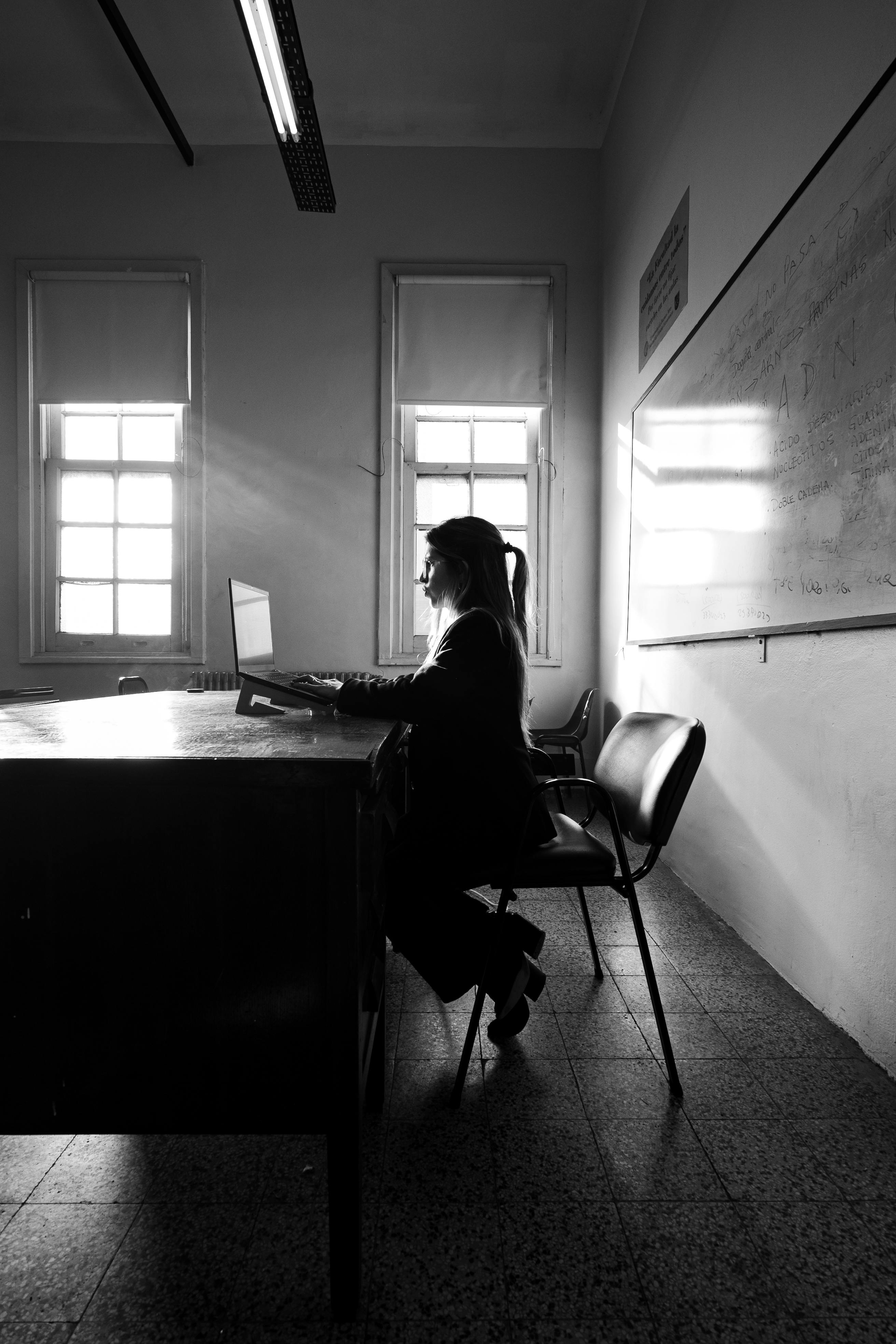
For many working women, long hours at a desk are unavoidable.
But what most people do not realize is this: when your body stays inactive for most of the day, your nutrition needs change.
Yet most meal plans do not account for this. They are designed for active routines, fixed schedules, and lower stress levels. That is why, despite eating healthy, results often do not follow.
Why Sitting Long Hours Affects Fat Loss?
- Your calorie expenditure drops
- Digestion slows down
- Blood sugar regulation becomes less efficient
This means the same food that once worked may no longer give results.
So instead of eating less, the focus should be on eating smarter and structuring meals better.
The Right Way to Structure Your Meals
1. Start Your Day with a Balanced Meal
Avoid only tea or coffee and skipping breakfast. Instead, include protein such as eggs, paneer, curd, or chicken, along with carbohydrates such as poha, oats, or roti.
This helps stabilize energy and prevents overeating later.
2. Avoid Long Gaps Between Meals
Long gaps can lead to low energy, cravings, and overeating in the evening. Eat every 3-4 hours and keep meals simple, low calorie, and consistent.
3. Keep Lunch Light but Satisfying
Heavy lunches plus long sitting can create sluggishness. A better approach is moderate carbs, a good protein source, and some fiber.
Example: roti or rice with dal or chicken and sabzi.
4. Plan Your Evening Snack
This is where most working women struggle. Avoid random snacking like biscuits, namkeen, and sweets. Instead, choose fruit with nuts, curd, or light homemade options.
5. Keep Dinner Simple, Light, and Early If Possible
After a long sedentary day, your body needs lighter meals. Avoid very heavy or late dinners. Focus on protein, light carbs, and easy-to-digest meals.
6. Hydration Matters More Than You Think
Long sitting often leads to low water intake, increased fatigue, and poor digestion. Keep a water bottle nearby and take small, frequent sips.
What Most People Get Wrong
Many working women think, "I should just eat less." But the real issue is not only quantity. It is also meal timing, structure, and consistency.
Conclusion
When your lifestyle involves long hours of sitting, your diet cannot remain random.
You do not need extreme dieting. You need structured meals, simple food, and a consistent routine.
At Fitnizy, we focus on building practical meal structures that fit into real working routines, not generic ones.
Related Articles

Are Online Fitness Classes Effective for Weight Loss?
Leave this field empty so no new words are added or any existing words are duplicated.
How Busy Working Women Can Lose Weight Without Spending Hours in the Gym!
Leave this field empty because your provided blog does not contain a separate short summary. Adding one would introduce new words.
Stay Consistent at Home
Simple tips to maintain workout consistency without a gym....